
Trick Catch
Can you make all these catches?
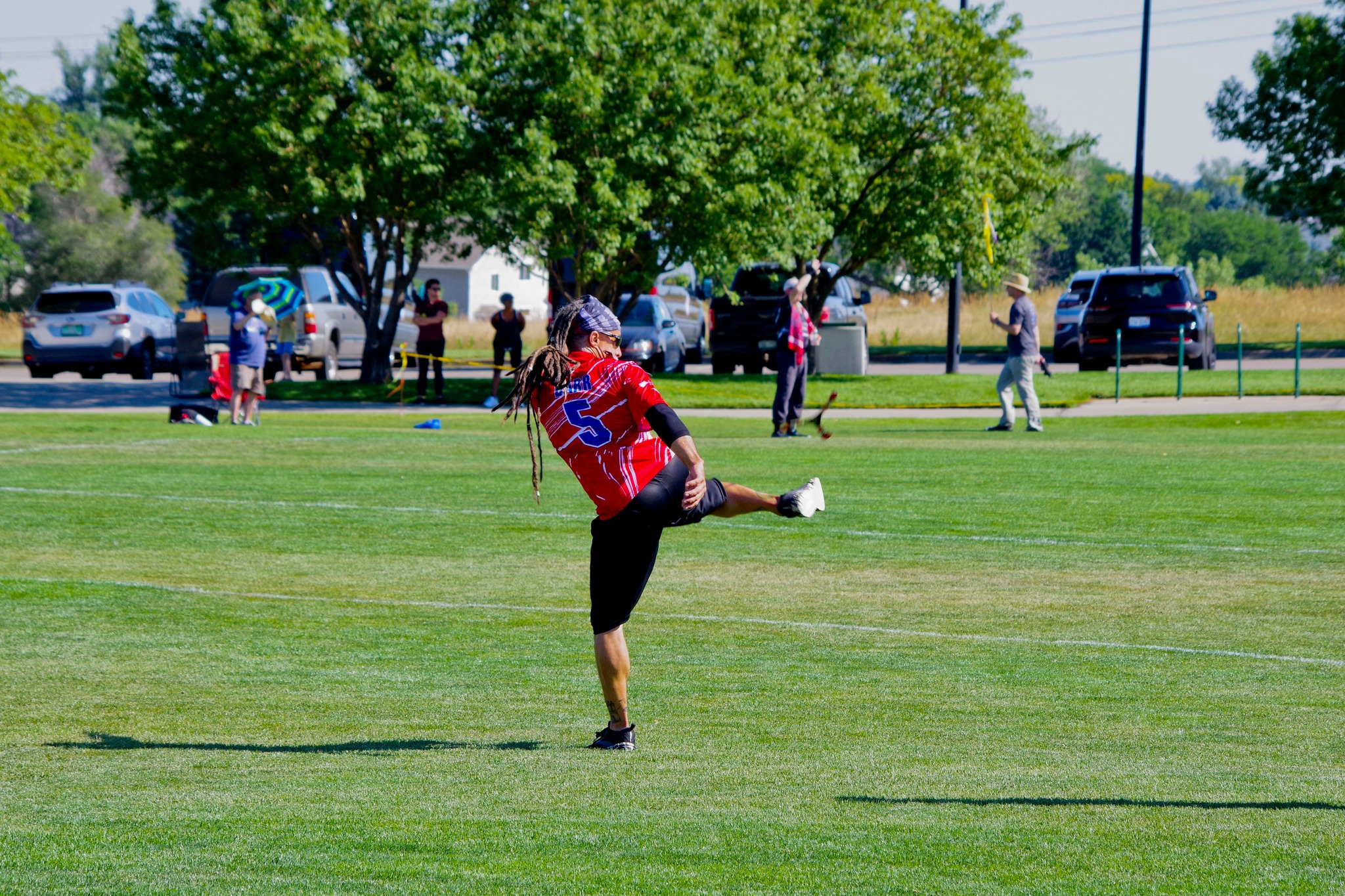
Hackey Catch – Kenny Barr WBC 2024

Under the Leg – Logan Broadbent WBC 2024
View the full USBA Rulebook used in competitions for more info!
The trick catch event involves throwers going through two sequences of specific catches. The first is singles, where you throw just one boomerang, and the second is doubles, where you throw two at the same time and make two different trick catches. This event requires throwers to be flexible and quick on their feet more than to be a powerful thrower. For a competition, each catch is worth a certain amount of points, getting increasingly difficult through the sequence. Each sequence has a total of 50 points, making the total event scored out of 100 possible points. However, throwers may choose to continue to throw until they drop one if they get a perfect round in individual trick catch (not team trick catch), which is why you may see scores over 100. The boomerang(s) must go at least twenty meters with the throw from inside a two meter circle, or the catch does not count!
Records
USA
Men: Steve Kavanaugh, 279 Points
Women: Betsylew Miale-Gix, 85 points
World
Men: Manuel Schuetz (Switzerland), 533 Points
Women: Marie Appriou (France), 92 Points
Singles Sequence
| Left Hand Clean | 2 points |
| Right Hand Clean | 2 points |
| Behind The Back | 3 points |
| Under The Leg | 3 points |
| Eagle Catch | 4 points |
| Hackey Catch | 6 points |
| Tunnel Catch | 6 points |
| One Hand Behind The Back | 7 points |
| One Hand Under The Leg | 7 points |
| Foot Catch | 10 points |
| Singles Total | 50 points |
Doubling Sequence
| Behind The Back and Under The Leg | 3 + 3 = 6 points |
| Hackey catch and Left Hand Clean | 6 + 2 = 8 points |
| Tunnel Catch and Right Hand Clean | 6 + 2 = 8 points |
| One Hand Behind The Back and One Hand Under The Leg | 7 + 7 = 14 points |
| Foot Catch and Eagle Catch | 10 + 4 = 14 points |
| Doubling Total | 50 points |
General Tips
Before we go through them, there are a few tips that you can implement in all of them. Orient yourself so the boomerang is coming directly towards you as it falls. You don’t want to run along with it, or have it coming from the side. This makes it much more awkward to catch, and provides a smaller window of opportunity for a successful catch.
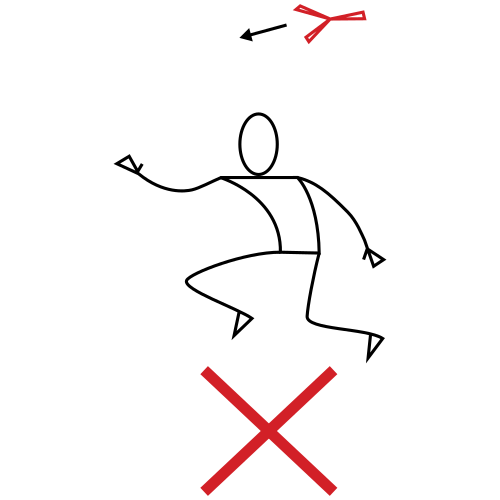
Wrong: Running along with it
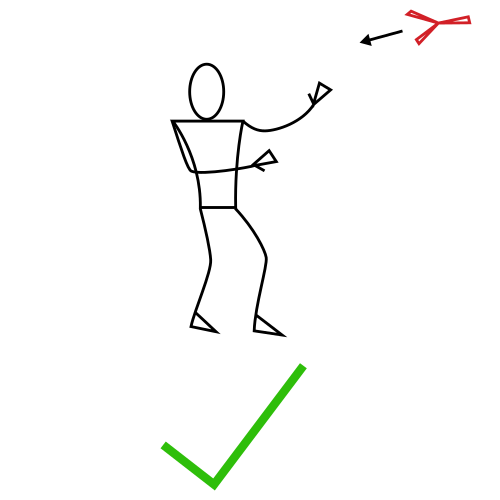
Correct: Falling toward you
You’ll want to use a boomerang that has good hover for this event. This will give you time to get underneath it, and makes it so the boomerang falls at an angle that makes it easier to catch.
Individual Catches
Left Hand Clean
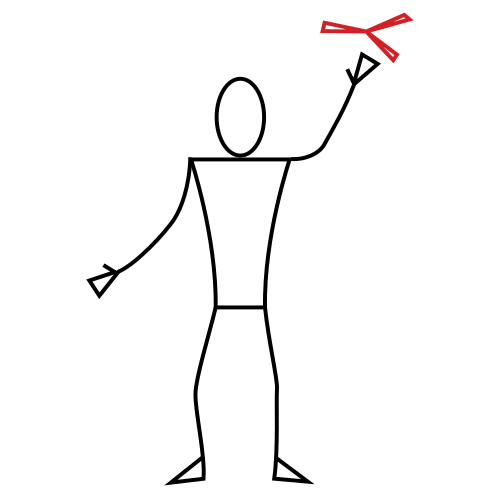
If you are a right-handed thrower, then you’ll notice that once you throw the boomerang and it lays over, it is spinning counter-clockwise. It is easier to catch any object when you keep the momentum of your body going with the object. So when we catch with our left hand, we can twist our hand with the boomerang to make it more likely to not drop it. As you raise your arm to catch the boomerang, lift your hand to have your thumb pointing left, with your palm facing up. Your arm should be slightly bent to remain flexible, but should also be raised up over your head in case it bounces. The extra height can give you extra time to recover if necessary.
Right Hand Clean
This is very similar to the left hand clean. You still will have your thumb pointing left and your palm up, but notice that means your fingers are pointing towards you instead of away from you.
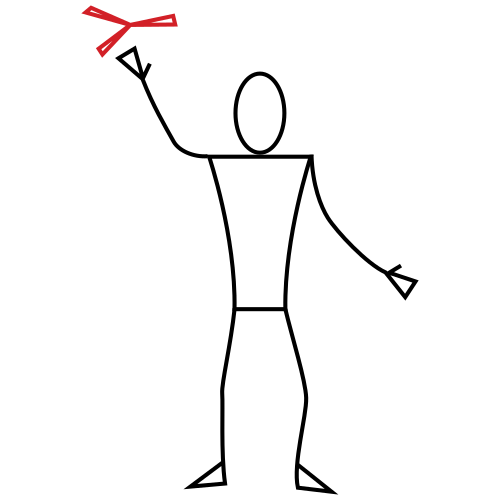
Behind the Back
This one requires a little more flexibility. You’ll put one arm behind your back with your palm facing up, and you’ll use your other hand to guide the boomerang into the hand behind your back. It’s generally easier to have the boomerang come towards your back at a slight angle to provide visibility and a greater window for a successful catch. In a competition, it’s important to pull the boomerang out with the hand that is opposite the side the boomerang came in from. This generally means the hand that you placed behind your back with your palm up.
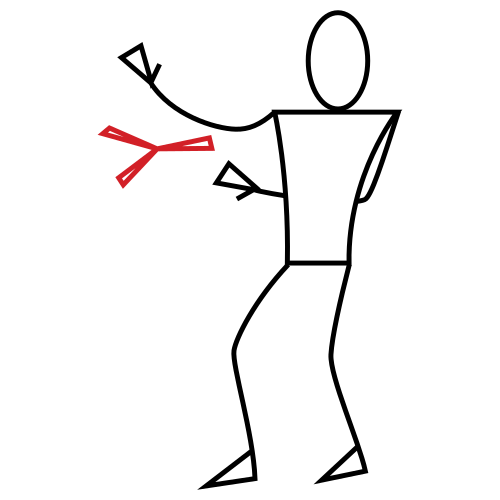
Under the Leg
This catch involves catching the boomerang with one hand under your leg, which you are allowed to lift off the ground. Some people find it easier to bring their opposite arm under the leg they raise to catch under (i.e. bring their left arm under their right leg), but experiment with whichever works best for you! Just make sure you pull the boomerang out with the hand that you put under your leg, as the boomerang needs to pass fully under your leg.
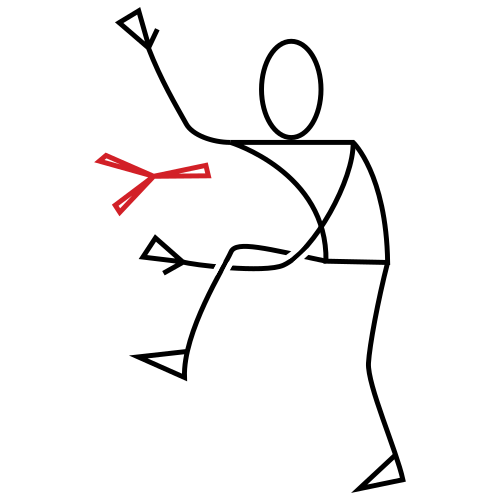
Eagle Catch
This catch involves grabbing the boomerang from the top of the boomerang with one hand. Pro tip: follow through the catch with a sweeping motion that keeps the momentum of the boomerang. You’re less likely to catch it if you try to stop the boomerang right when you make contact with it.
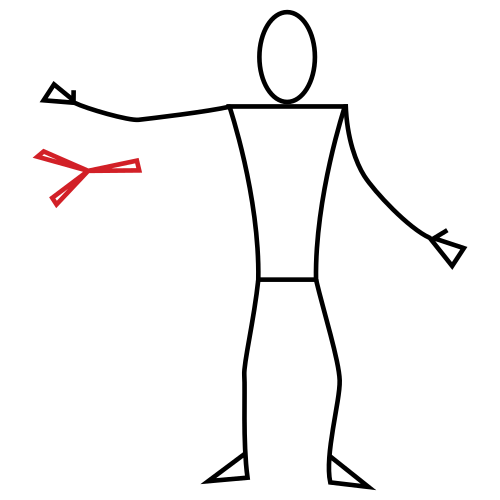
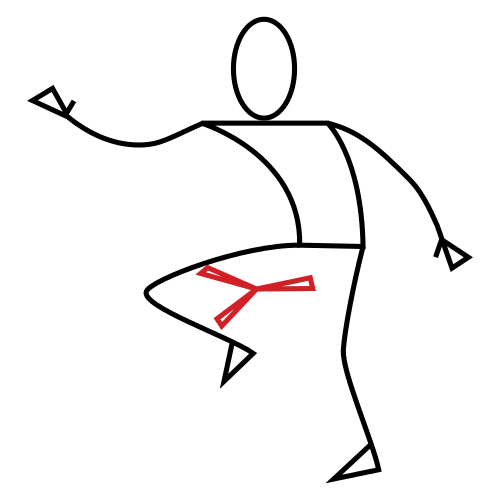
Hackey Catch
Kick the boomerang anywhere below your knee, then catch it at whatever height you want. It’s easier to do a sharp, fast kick, and it helps to envision kicking through the boomerang. Some people use the outside of the foot, and some people find the inside easier. Whichever is easier depends on your hip flexibility. Try to kick it to at least head height to give yourself more time to catch it.
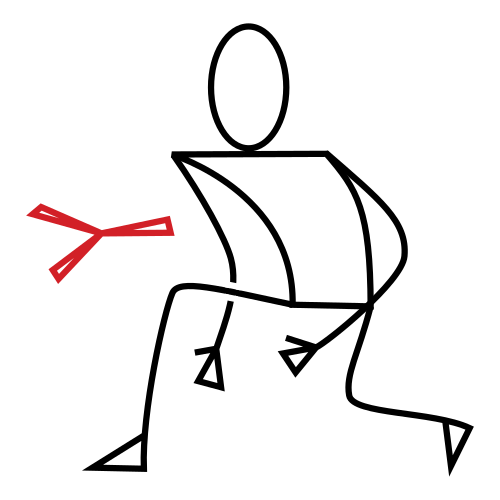
Tunnel Catch
This is similar to the Under the Leg catch. However, the key difference is that both of your feet have to stay on the ground. Many people find it easier to do a lunging motion. Again, make sure to pull the boomerang through your legs!
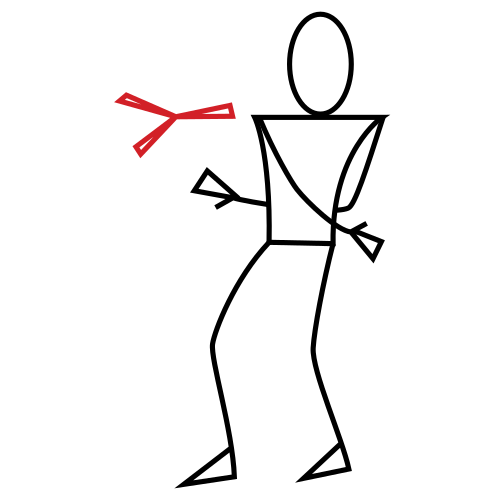
One Hand Behind the Back
The name tells the story; just like the Behind the Back catch, but you can only use one hand. It does help to use the hand you don’t catch with to help guide your eyes though!
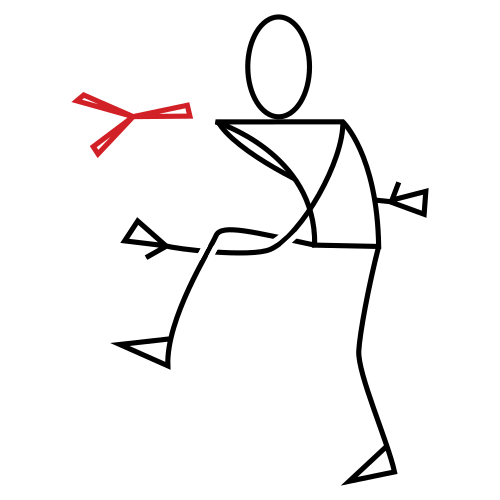
One Hand Under the Leg
Another self explanatory catch. Only use one hand to catch the boomerang under one leg. Make sure you don’t pull the boomerang into your leg, as a judge could rule that as an incorrect catch, giving you a zero.
Foot Catch
The trickiest of trick catches, and the one statistically most dropped in competition! This one requires you to catch the boomerang between your feet. Lie on the ground, roll slightly onto one side to put more weight on one hip, and trap the boomerang between the inside of your feet.
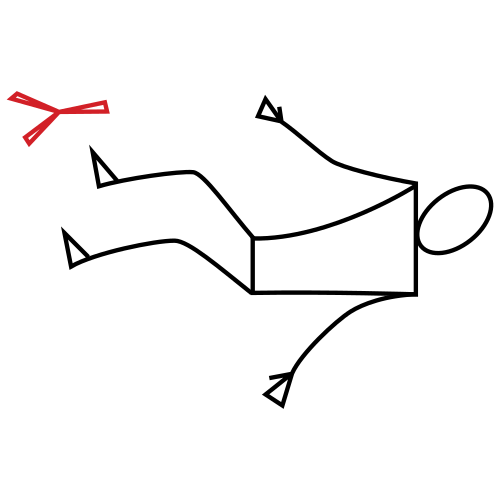
Doubling
As finding a good doubling pair and learning to use them well is significantly more difficult than singles trick catch, this sequence is sometimes left out of beginner tournaments. If you are a novice, you might want to start with learning singles trick catch first. However, this sequence can boost your singles trick catch abilities and is lots of fun, so if you have two boomerangs that can work as a doubling pair, we encourage you to try it out no matter your skill level! You’ll have an insider and an outsider boomerang. The insider is the boomerang that usually drops first, and the outsider second. When you throw, the insider is generally placed on top of the outsider with a slight offset as seen below.
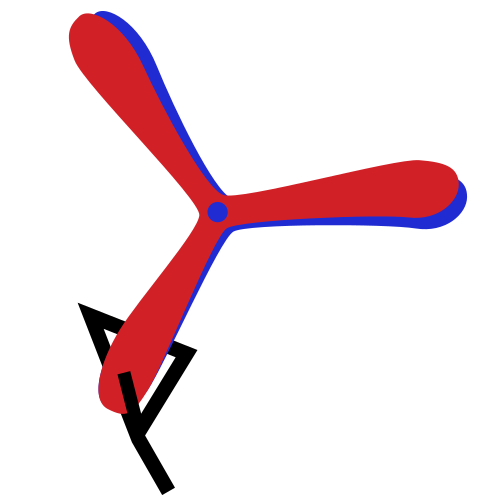
Insider is red, outsider is blue.
The boomerangs should land close to each other, having a similar flight path, with four to five seconds between when they land. Generally, you’ll throw boomerangs that are the same shape, with the insider having more drag and the outsider having more hover to ensure they have enough separation.